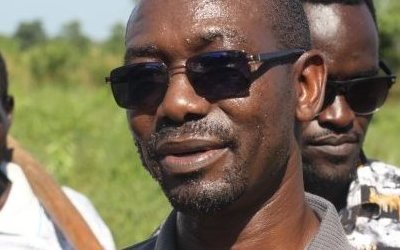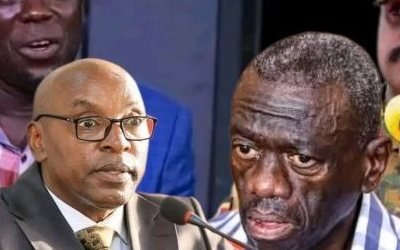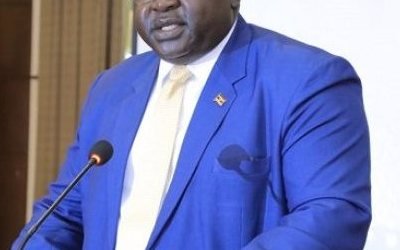
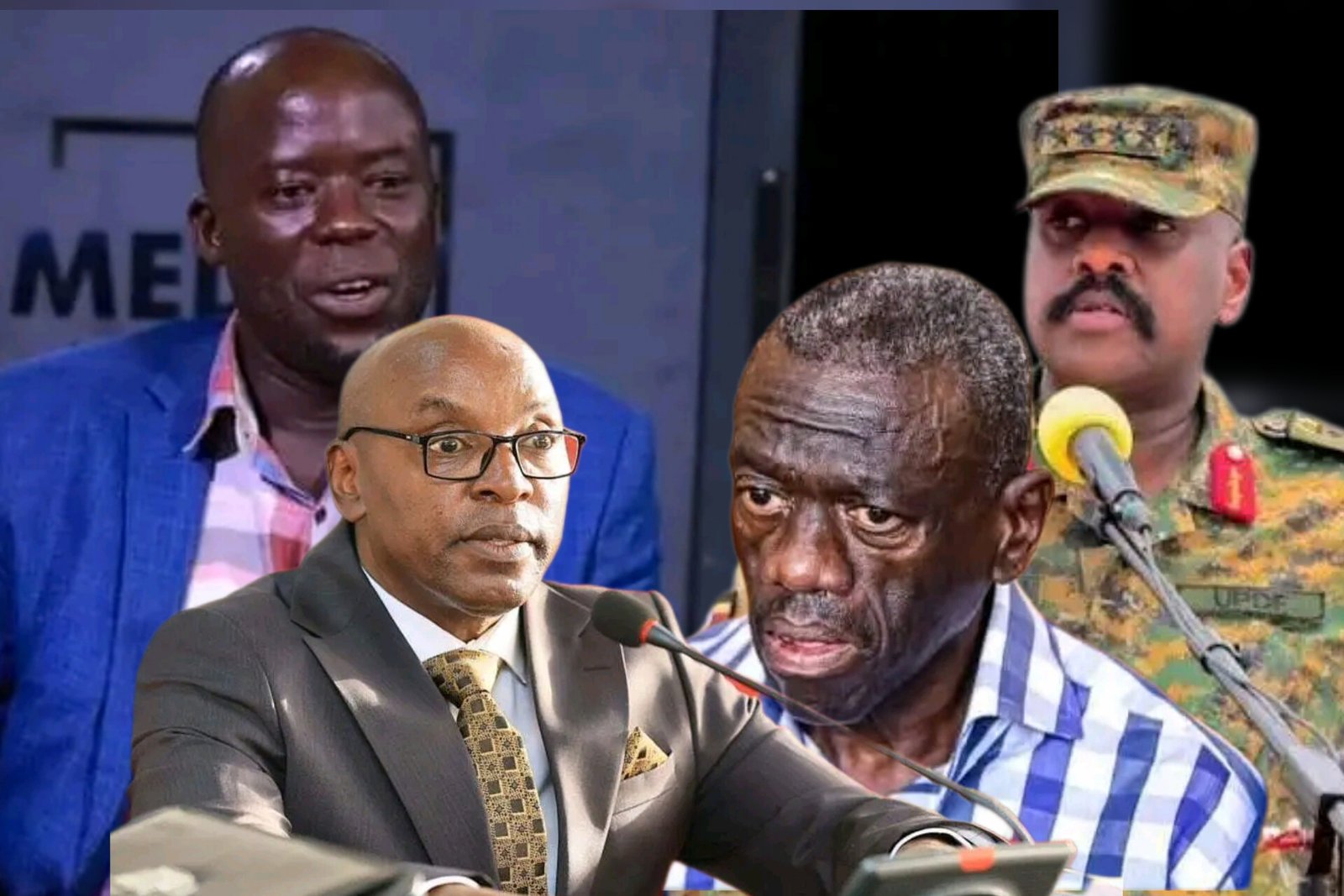
Former Aruu County Member of Parliament Hon. Odonga Otto has questioned the independence of Uganda’s judiciary, accusing it of failing to uphold the law in politically sensitive cases, particularly the continued denial of bail to opposition figure Dr Kizza Besigye.
Speaking during NBS Frontline, Otto attributed what he described as the country’s current challenges to the centralisation of power in the hands of the President, arguing that the concentration of authority has weakened key institutions, including the judiciary.
“I personally think we are paying the ultimate price of centralisation of power in the hands of the President,” Otto said, adding that constitutional and legal practices over the past 40 years have made the President exceptionally powerful.
Otto expressed concern over Besigye’s continued detention despite having applied for bail four times, arguing that the repeated rejection of his applications raises serious questions about whether the judiciary operates independently.
“Now it raises a point to me: Do we have an independent judiciary? I would say no,” he said.
He warned that unless the Chief Justice takes deliberate steps to restore public confidence in the institution, Uganda could witness what he described as the worst judiciary in the country’s history since independence.
“I would want to say, without fear or favour, that this would be the worst judiciary in the history of Uganda since independence,” Otto said.
He further argued that the judiciary appeared unable to respond appropriately to politically sensitive cases, insisting that the law on bail should apply equally, regardless of an individual's political standing.
The former legislator questioned what had changed in the application of the law, citing Besigye and Former Kampala Lord Mayor Erias Lukwago as examples of individuals whose rights, he argued, should be protected under the existing legal framework.
“What has happened to the law? What happened to the law? Even Erias Lukwago has a right to bail. We have not yet amended the law,” he said.
Otto challenged government officials who may favour tougher restrictions on bail to openly propose constitutional or legal amendments rather than allow the existing law to be applied inconsistently.
“Moses Byaruhanga should tell me if he wants to move a motion in Parliament that we want to change the Constitution so that the moment you are arrested, there is no bail,” Otto remarked.
He suggested that if authorities were concerned about Besigye's possible escape, alternative arrangements could be considered, including releasing him from Luzira Prison and placing him under house arrest, subject to the applicable law and judicial process.
Otto acknowledged concerns about Besigye potentially escaping from home but maintained that such concerns should not replace lawful procedures.
“If we are not comfortable with the provisions of the law, let's amend the law,” he said. ‘Besigye Is the Best Person to Negotiate for Himself’
Otto also argued that Besigye himself was best placed to negotiate for his release under the current circumstances, expressing doubt that a third party could effectively negotiate on his behalf.
“I don't think any third party can talk on his behalf,” he said.
In a striking personal reflection, Otto said he would be willing to make a significant personal sacrifice if it guaranteed his release from detention.
“If I were in Besigye's situation, me, Odonga Otto, even if they asked to cut one finger for me to come out, I would say, ‘You cut it,’ because I am sure of coming out. I will bring my whole body out and I just lose a finger,” he said.
His remarks underscored the seriousness with which he views prolonged detention and the importance he attaches to securing freedom.
Otto's comments have brought renewed attention to questions surrounding judicial independence, the application of bail laws and the balance of power between the executive and the judiciary in Uganda.
His criticism also places the spotlight on the responsibility of judicial leaders to safeguard public confidence in the courts, particularly when handling politically sensitive cases.